
Sterling Heights Unclaimed Money Search
Sterling Heights residents can look up unclaimed money through Michigan's free statewide database and check with Macomb County for any tax-related surplus funds. Common sources include dormant bank accounts, forgotten insurance payouts, old utility deposits, and uncashed refund checks. Sterling Heights has no city income tax, so the main local sources are property tax overpayments and surplus funds from Macomb County tax foreclosure sales.
Sterling Heights Overview
Michigan State Unclaimed Property
The Michigan Department of Treasury runs the state's unclaimed property program. Banks, insurers, employers, and other businesses must report dormant accounts to the state once they can no longer reach the owner. The state holds those funds with no expiration. Searching is free, and filing a claim costs nothing.
Go to unclaimedproperty.michigan.gov to search by name. The program has returned more than $675 million to Michigan residents and continues to hold more.
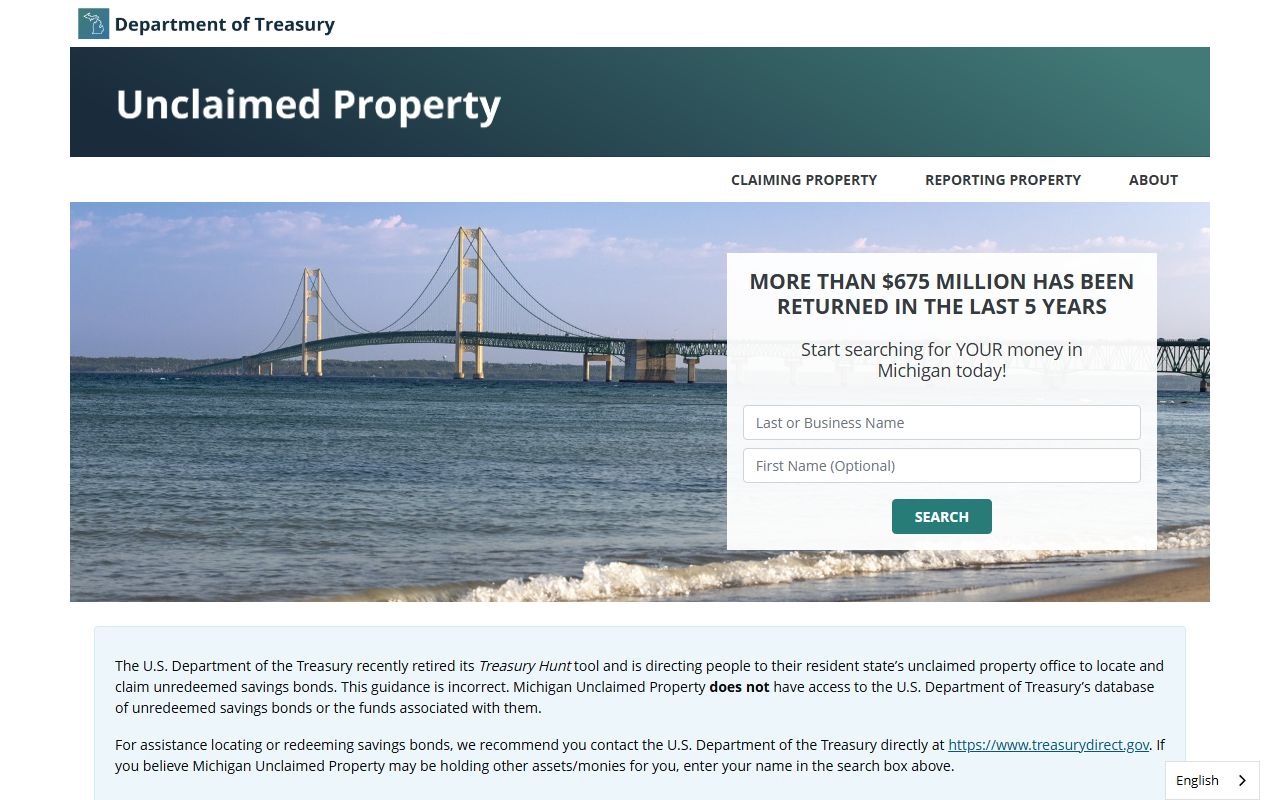
If you find a match, file a claim directly on the site. Most claims resolve within 90 days. For questions, call (517) 636-5320 or email TreasUPD@michigan.gov. Sterling Heights is one of Michigan's largest cities, and many residents have also worked in Detroit or across Macomb County, leaving accounts behind at former employers or banks. It is worth searching under all past names and addresses.
What Gets Reported to the State
Businesses report property dormant for three years. This covers checking and savings accounts, payroll checks, stock dividends, security deposits, insurance proceeds, and more. Safe deposit box contents come to the state after five years of no rental payment. Life insurance proceeds are reported after three years of no contact with the beneficiary.
Sterling Heights City Treasurer
The City Treasurer's office handles property tax billing, collections, and other city financial accounts. Sterling Heights does not have a city income tax, so there are no local income tax refunds to claim. If you believe you have overpaid on property taxes or have an unclaimed credit on any city account, contact the Treasurer directly.
The city's website is sterlingheights.gov, where you can find billing details and payment options.
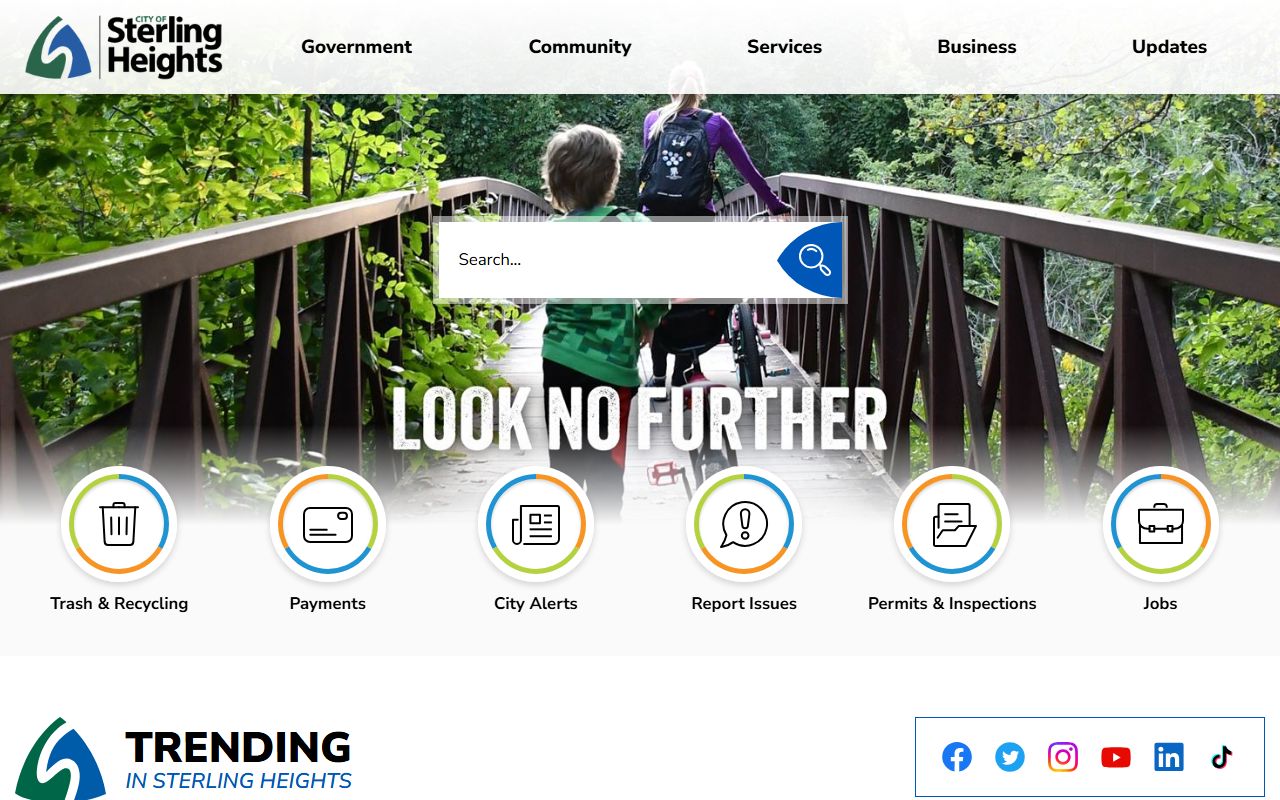
The Sterling Heights city portal includes links to treasury services and online payment tools for residents.
| Treasurer | Jia Hang |
|---|---|
| Address | 40555 Utica Road, Sterling Heights, MI 48313 |
| Phone | (586) 446-2489 |
| Fax | (586) 276-4077 |
| Website | sterlingheights.gov |
Property taxes are billed twice a year. Summer taxes are typically due in July and winter taxes are due in February. Taxes not paid by the February deadline become delinquent and transfer to Macomb County. If a refund check was issued but never cashed, it will eventually appear in the Michigan unclaimed property database under your name.
Macomb County Treasurer
When property taxes in Sterling Heights go unpaid past the city deadline, they transfer to Macomb County Treasurer Lawrence Rocca's office. The county charges additional interest and fees. If a property eventually goes through tax foreclosure and sells at auction for more than the debt owed, the former owner may have a right to the surplus.
See the full Macomb County unclaimed money page for detailed county-level resources.
| Treasurer | Lawrence Rocca |
|---|---|
| Address | Macomb County Administration Building, 1 South Main St., 2nd Floor, Mount Clemens, MI |
| Phone | (586) 469-5190 |
| treasurer@macombgov.org |
If your property was foreclosed in Macomb County, the county will notify you of any surplus funds after the sale. File your claim promptly, as deadlines are strict.
Tax Foreclosure Surplus Funds
Michigan law gives former property owners the right to claim surplus funds after a tax foreclosure sale. Under MCL 211.78t, if the county sells a foreclosed property for more than the taxes, interest, and fees owed, the difference belongs to the former owner or other lienholders.
The Michigan Supreme Court confirmed this right in Rafaeli LLC v Oakland County, decided July 17, 2020. That ruling made clear that counties cannot keep surplus proceeds.
How to File a Surplus Claim in Macomb County
- The county sends a notice of surplus by July 1. You receive Form 5743, a notice that funds may be available.
- You have until January 31 of the following year to respond using Form 5744, which is your claim form.
- If the county does not resolve the claim, you can file a motion with the circuit court between February 1 and May 15.
Missing these deadlines can result in losing your right to claim. If you are unsure about your situation, contact a lawyer or legal aid organization right away. Call Macomb County at (586) 469-5190 with questions about a specific foreclosure sale.
Do not assume there was no surplus. Properties in the Sterling Heights area can sell at auction for well above the tax debt, especially where the home had equity.
Michigan Tax Foreclosure Timeline
Michigan uses a three-year process before a property is foreclosed for unpaid taxes. Understanding where a property is in this timeline matters if you are trying to avoid foreclosure or recover surplus funds afterward.
- Year 1, March 1: Taxes become delinquent. The county adds a 4% administration fee plus 1% per month in interest.
- Year 2, March 1: The property enters forfeiture status. The county begins formal forfeiture proceedings and the owner's options narrow.
- Year 3, April 1: Foreclosure is finalized. The county takes title and can sell at auction.
At each stage, the owner can pay the full amount owed to stop the process. Once the property sells, the only remedy is a surplus claim if the sale price exceeded the debt. Acting early is always the better path.
Legal Aid Resources
Free and low-cost help is available for Sterling Heights residents dealing with surplus claims, delinquent taxes, or other housing-related financial issues.
- Michigan Legal Help: michiganlegalhelp.org has step-by-step guidance on how to claim surplus funds after a tax foreclosure. The site explains the forms, deadlines, and court process in plain language.
- State Bar of Michigan Lawyer Referral Service: Call (800) 968-0738 or visit lrs.michbar.org to find a local attorney. The first consultation is often available at a low fee.
- Michigan Homeowner Assistance Fund (MIHAF): Visit michigan.gov/mihaf for information on grants of up to $25,000 for homeowners facing hardship. Funds may cover delinquent taxes and other housing costs.
For larger surplus claims, a private attorney who handles tax foreclosure cases is worth consulting. Many work on contingency, so there is no upfront cost.